

Dental implants are considered a particularly durable solution for missing teeth. But if an implant suddenly hurts or moves, a quick reaction is required. In this article, you will learn what you should look out for, what causes can be behind a loose implant and what treatment options are available. We will also show you how to keep your implant stable in the long term and what you can do if a replacement becomes necessary.
Wobbly Dental Implant: Taking Alarm Signs Seriously
A healthy implant is firmly attached to the jawbone. As soon as it moves, this is a serious warning signal. It is never a harmless coincidence. The following causes are possible:
• The connection between implant and bone (osseointegration) is disturbed
• Inflammation in the surrounding tissue has developed (peri-implantitis)
• The dentures are incorrectly loaded or do not fit correctly
• General diseases such as diabetes or smoking impair healing
• The implant crown is loose, but not the implant itself
Even if you wobble slightly, you should not wait. The sooner a dental examination is performed, the better the chances of saving the implant.
Pain around the implant: These causes are possible
Not every pain means that the implant has failed. But occasional complaints are also an indication that something is wrong. Typical triggers for pain in the implant are:
• Pressure points due to excessive chewing pressure
• Poorly fitting or poorly brushed dentures
• Bacterial inflammation in the tissue
• Bone resorption in the area of the implant
The symptoms often manifest themselves as pulling, stinging or pulsating. In addition, there is redness, swelling, bleeding or unpleasant taste in the mouth. The implant often hurts, especially when chewing or brushing teeth.
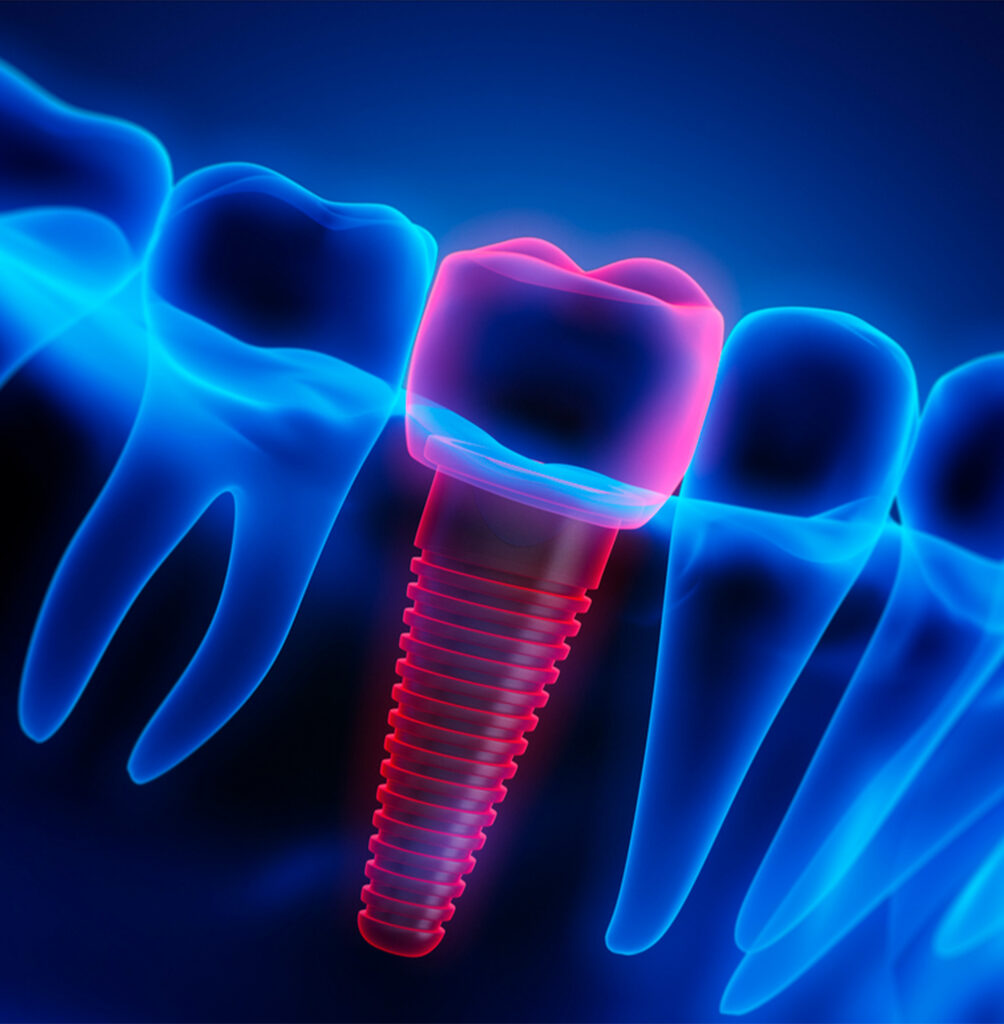
Peri-implantitis: The most common cause of implant problems
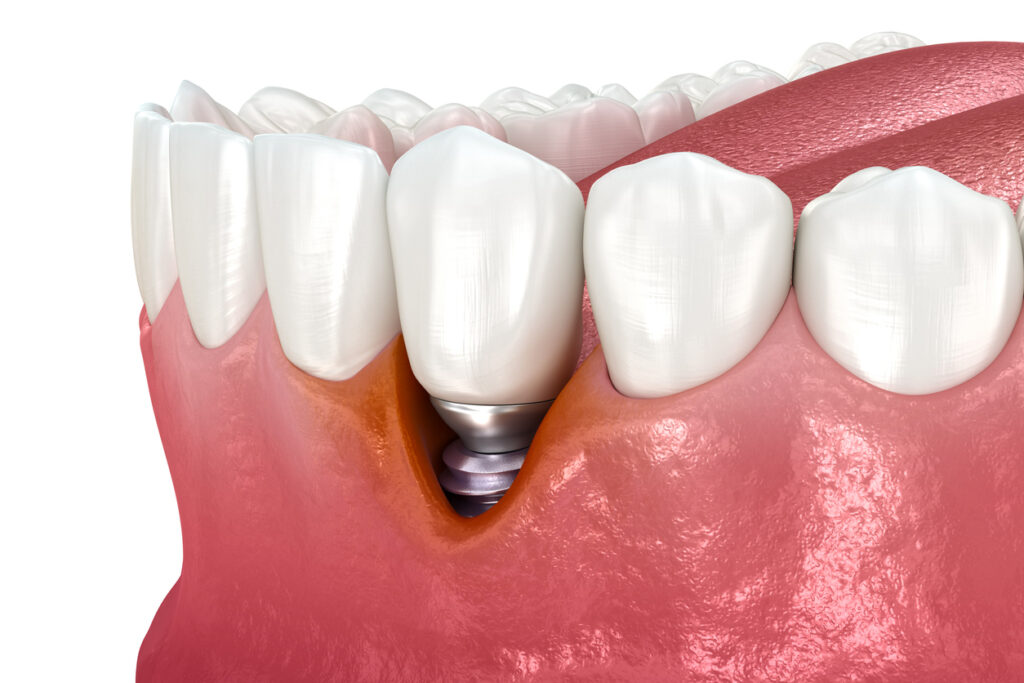
Peri-implantitis is a bacterial inflammation of the tissue around a dental implant. It is comparable to periodontitis, but often goes unnoticed and is therefore often detected too late. If left untreated, it almost always leads to the loss of the implant.
Figure 2 illustrates advanced peri-implantitis: Bacteria penetrate the gap between the implant and the gums. A chronic inflammation develops, which breaks down the jawbone. As a result, the implant increasingly loses stability.
The good news: If peri-implantitis is detected early, it can be stopped or even completely cured with professional cleaning, antibacterial measures and, if necessary, surgical therapy.
What you should do immediately
If your implant wobbles or hurts, you should take the following measures:
• Make an appointment with your dentist or implantologist immediately
• Do not chew on the affected side and avoid hard foods
• Do not consciously strain the implant
• Continue to clean your teeth thoroughly but carefully
• Write down any symptoms, even if they are mild
Quick action is crucial. The earlier the cause is detected, the greater the chance of preservation.
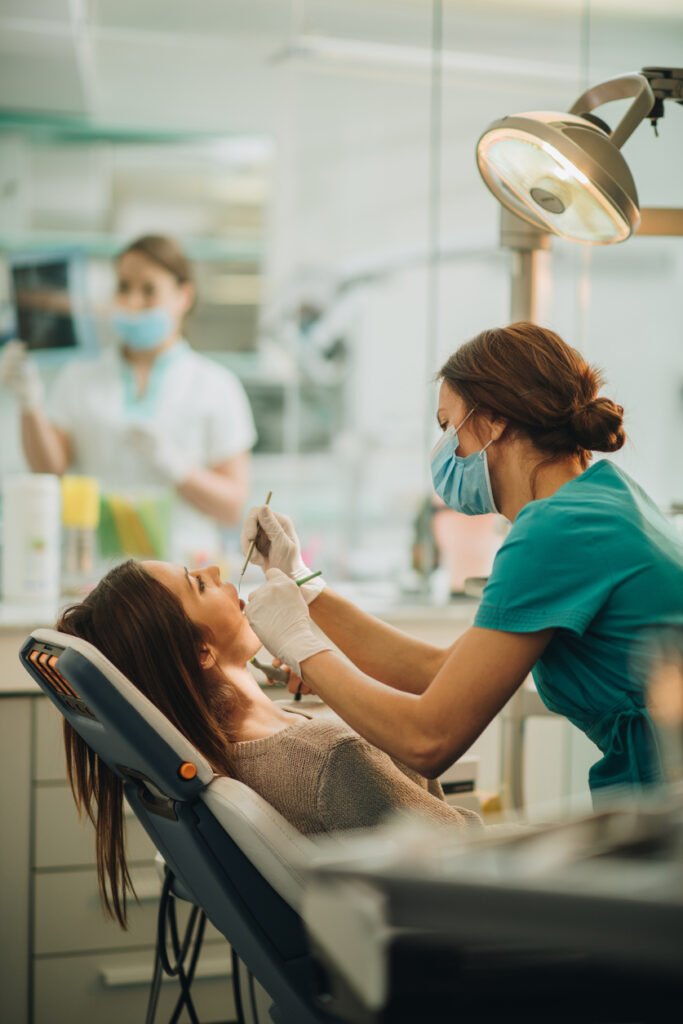
Treatment options for a damaged implant
The appropriate therapy depends on whether there is inflammation, a technical problem or improper loading. These options are possible:
• Professional tooth cleaning and antibacterial treatment
• Antibiotics or laser therapy for peri-implantitis
• Bone augmentation at the beginning of bone resorption
• Replacement or attachment of a loosened implant crown
• Adaptation or reproduction of dentures to relieve the burden
The goal of any treatment is to restore stability and long-term preservation of the implant.
Avoid implant problems: How to protect your dentures
A dental implant is a high-quality medical investment. To ensure that it lasts in the long term, you should follow the following recommendations:
• Thorough daily dental care including dental floss or interdental brushes
• Regular professional dental cleanings
• Check-ups with the dentist every six to twelve months
• Quitting smoking
• Control of general diseases such as diabetes
• No need to open packages or bottles with your teeth
The better your care, the lower the risk of complications.
If a new implant is necessary: Are there cheaper alternatives?
Many patients are hesitant about implant problems because of the high costs of a new restoration. Many people are not aware that high-quality dentures can also be available at a much lower price, with consistently high quality and full transparency.
Audentic offers dentures according to German standards, manufactured in a certified partner laboratory abroad. This makes savings of up to 80 percent possible. The treatment is carried out either by your previous dentist or by one of the more than 1,000 partner dentists throughout Germany with whom Audentic works successfully. Only tested materials are used to ensure maximum safety, quality and transparency.
Request a quote now free of charge and transparently:

I want to know what it costs

I’m looking for a dentist nearby

I’ll inform myself first
Conclusion: Take pain or wobbling seriously – but don’t despair
A wobbly or painful implant is not the end of the world. However, it is a clear red flag that you should not ignore. With fast, professional treatment, the dentures can be preserved in many cases. If replacement is required, there are now high-quality, affordable solutions without compromising on quality.